**Brazilian Plant Shows Promise for Arthritis and Inflammatory Conditions**
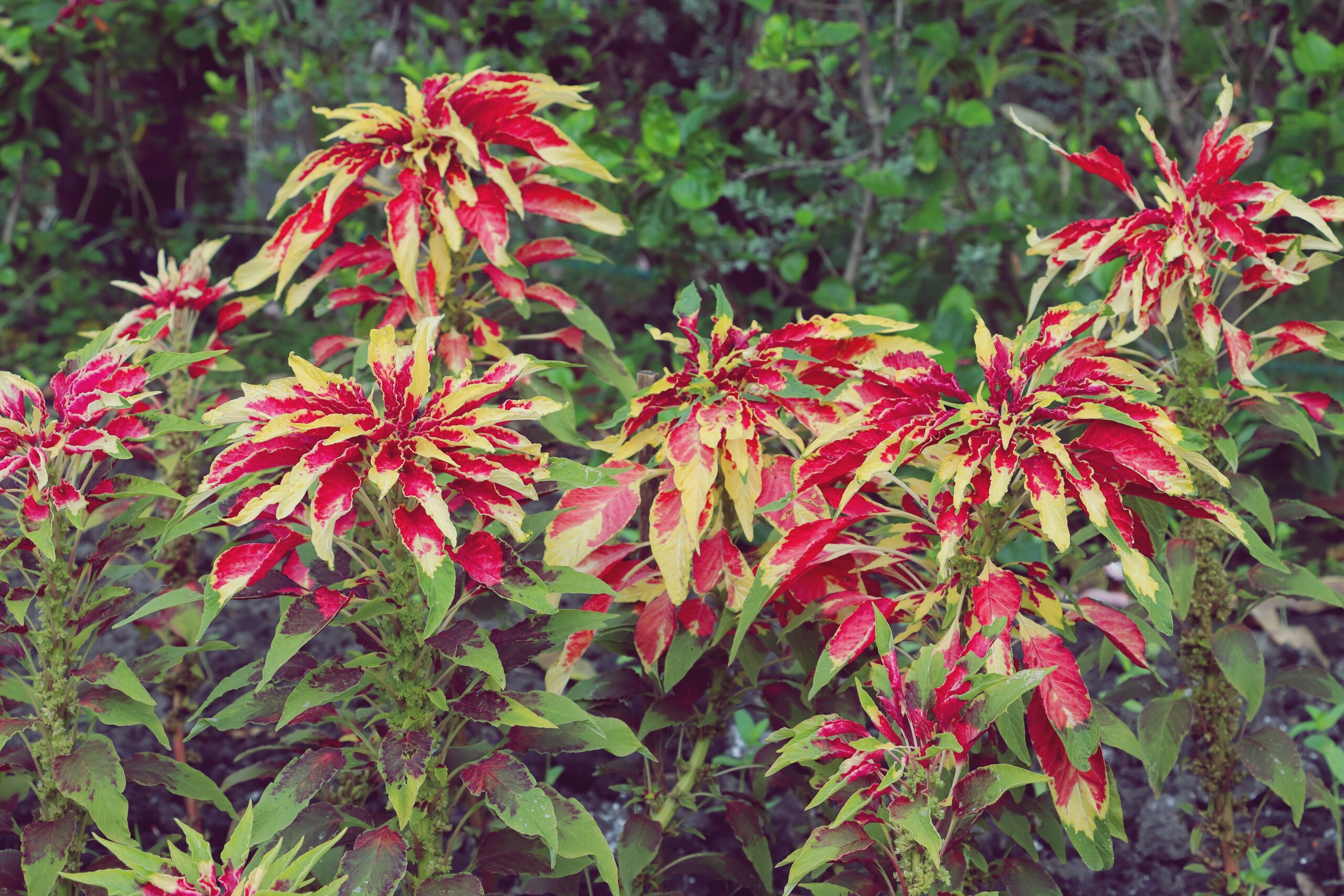
A plant traditionally used in Brazilian medicine has shown scientific potential to help people with arthritis and other inflammatory conditions. Researchers have studied Joseph’s Coat (*Alternanthera littoralis*), a plant that grows naturally along Brazil’s coast, and found that it reduces swelling, protects joint tissue, and appears safe at the doses tested.
Local communities have long used Joseph’s Coat to ease inflammation, infections, and parasites. However, until now, there has been no solid scientific evidence supporting its effectiveness or safety.
### The Study
The new study was conducted by research teams from several Brazilian universities, including the Federal University of Grande Dourados, the State University of Campinas, and São Paulo State University. Their findings were published in the *Journal of Ethnopharmacology*.
Scientists first analyzed the chemical composition of the plant’s stems and leaves. They prepared an ethanolic extract by using alcohol to extract the plant’s active compounds. When tested in laboratory models of arthritis, this extract significantly reduced visible swelling.
“In the experimental models, we observed reduced edema, improved joint parameters, and modulation of inflammatory mediators, suggesting antioxidant and tissue-protective actions,” said Arielle Cristina Arena, associate professor at UNESP’s Institute of Biosciences, Botucatu Campus.
### How Joseph’s Coat Works
The extract influenced inflammatory pathways and reduced signs of oxidative stress, which can damage tissue during chronic inflammation. Joints exposed to the extract showed fewer signs of degeneration and better overall health compared to untreated controls.
Moreover, toxicology tests indicated that at the tested doses, the plant extract did not cause harmful effects in laboratory animals, suggesting a promising safety profile.
### Potential Impact and Limitations
If further research confirms these results, Joseph’s Coat could become a source for new plant-based anti-inflammatory treatments. Unlike some modern arthritis drugs, which can be effective but often come with side effects limiting long-term use, natural compounds might offer effective alternatives or complementary therapies with fewer adverse effects.
However, it is important to note that this study was conducted in animals, not humans. Human bodies may process compounds differently, and treatments effective in laboratory models do not always translate into safe or effective therapies for people.
Additionally, the research focused on a specific extract prepared under controlled conditions. Store-bought or homemade versions of the plant may vary widely in strength and safety. The study also did not identify the specific compounds responsible for the anti-inflammatory effects, making it difficult to standardize doses or predict long-term outcomes.
### Next Steps
The researchers emphasize the need for further studies to isolate the active ingredients, evaluate long-term safety, and eventually conduct clinical trials in humans. Such research will be critical to determine whether Joseph’s Coat can be developed into a reliable and safe treatment option for arthritis and other inflammatory diseases.
https://nypost.com/2025/12/29/health/traditional-brazilian-plant-shows-unexpected-strength-against-arthritis-research/