current eventslawPolitics

Experts in awe as Trump racks up ‘remarkable’ record of court smackdowns

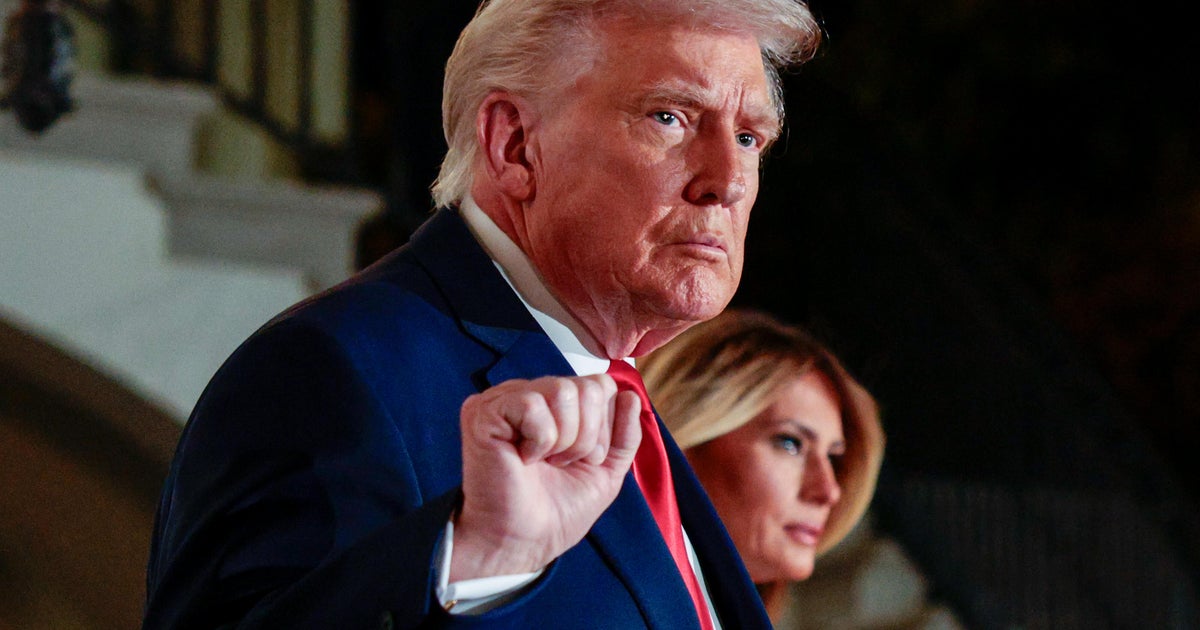
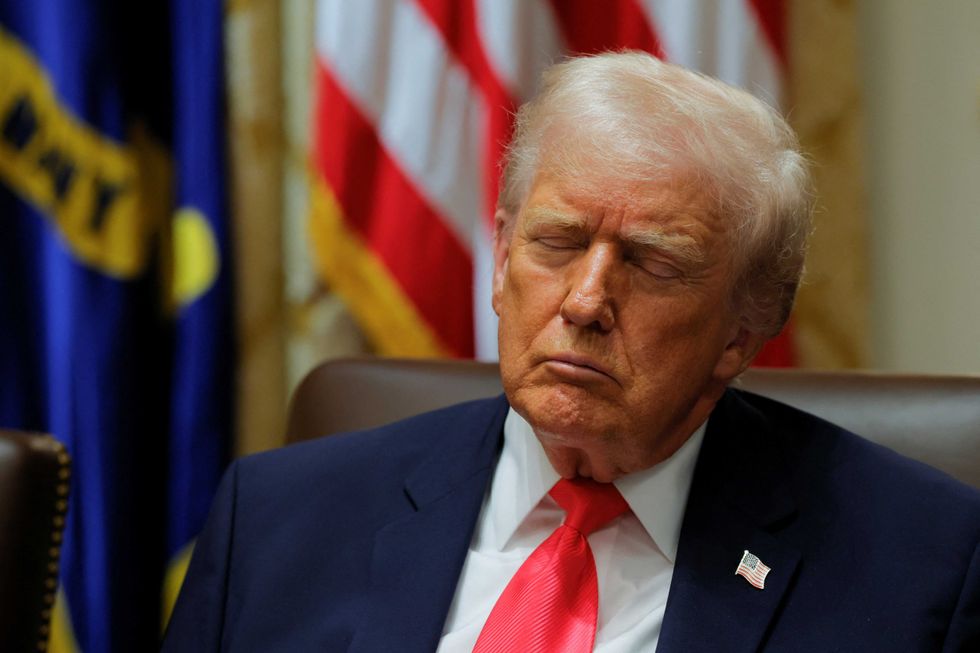
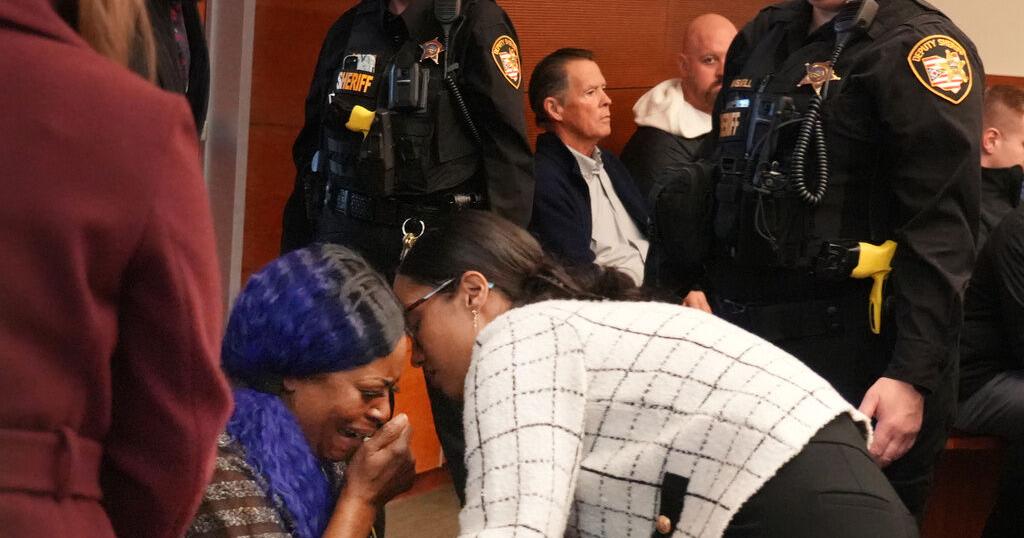
President Donald Trump is failing big-time in federal court, legal experts Norm Eisen and Josh Kolb wrote for their Contrarian newsletter on Substack Monday, despite his years of efforts to transform the federal judiciary in his favor, including three Supreme Court appointments. Eisen and Kolb wrote their analysis in response to a New York Times article over the weekend that flagged how Trump-appointed judges have handed the president a wave of wins, siding with him in 133 out of 145 rulings, they wrote.”Yes, Trump-nominated appellate court judges have often and wrongly sided with the administration, as the Times noted,” they wrote. “But according to the Times’ own numbers, after one year in office, judges have overall ruled against Trump and his regime about ⅔ of the time. That is a remarkable success rate for litigants against the administration.”Two such losses occurred Monday, as federal judges ruled his budget director violated the Constitution by cutting off environmental grants strictly to blue states, and restarted a wind energy project Trump tried to block. Moreover, they noted, Trump’s appointments to the federal bench haven’t had quite the level of influence it would seem at first glance, at least in the lower courts.”The article noted Trump appointed 54 appellate judges in his first term and six so far this term,” wrote Eisen and Kolb. “Though that sounds like a lot, there are 179 full-time judgeships across the 13 courts of appeal throughout the country. On top of that, there are 112 judges serving on ‘senior status’ meaning they still hear cases and issue rulings but work a reduced schedule and don’t count toward the 179 statutorily mandated seats. So, those Trump judges who are ruling for him disproportionately make up only 60 out of more than 280 appellate judges issuing decisions or about 20%.”Additionally, “More than half of the rulings from Trump-appointed appellate judges in favor of the Trump administration come from just three MAGA judges, all on the D. C. Circuit Court of Appeals,” they wrote. “Thanks to the luck of the draw, these three Trump-appointed judges appeared on successive emergency panels in the D. C. Circuit last year, unusually tipping the balance in Trump’s favor. Not only was that an odd occurrence that affected the stats, but the D. C. Circuit appears to have changed how its motions panel operates so that it no longer sits in place for a full month. Thus, a disproportionate number of Trump-appointed judges will not be able to unduly influence the outcome of cases against the Trump administration.”The bottom line, they concluded, is that “While Trump continues to threaten judges, in increasingly desperate and deranged fashion, the courts have largely held. That is a remarkable testament to the courage of the individual judges who make up the judiciary, and the resilience of the American legal system. As we head into the second year of Trump’s second term, that should be the headline.”.

BusinessEntertainmentlaw

Amol Palekar’s decade-long battle for artistic freedom nears closure as Bombay HC sets final hearing on December 5, 2025

After nearly a decade of pending legal proceedings, the Bombay High Court will finally hear actor-director Amol Palekar’s long-standing petition challenging the mandatory pre-censorship of stage plays and performances. The petition is slated for final hearing on December 5 before a bench comprising Justices Riyaz Chagla and Farhan Dubash. Palekar, now 80 years old, seeks protection of artistic freedom, arguing against the existing requirement under the Bombay Police Act that imposes prior scrutiny of scripts and mandatory certification from the Maharashtra State Performance Scrutiny Board before any play or public performance can be staged. His counsel, Anil Anturkar, told the court, “The petitioner is 85 years old now and wants an outcome, be it positive or negative.” Anturkar emphasized the importance of artistic freedom in the contemporary digital era, pointing out that “there is no censorship of shows and series on OTT platforms,” questioning the logic of continuing the mandatory censorship regime for live performances. The petition specifically contests rules framed under Section 33(1)(wa) of the Bombay Police Act, which authorize police commissioners or superintendents to regulate “places of public amusement” and performances, including traditional tamashas and melas, requiring script scrutiny to safeguard “public order, decency, or morality.”Amol Palekar’s petition argues that such pre-censorship amounts to an unconstitutional curtailment of artistic freedom, stating, “This pre-censorship leads to curtailment of artistic freedom. Because of this, many historic plays have not been performed in their original form.”The Bombay High Court had admitted the plea in 2017 but long delayed its hearing on the merits. The upcoming session on December 5 is expected to bring closure to this critical issue affecting artists and cultural institutions. This case is being closely watched across the theatre community and arts organizations, as a ruling in favor of Palekar could pave the way for greater freedom and creativity in live stage performances in Maharashtra and potentially across India. Also Read: EXCLUSIVE: Shekhar Suman reveals that his film with Parineeti Chopra, Adil Hussain, Amol Palekar titled Reporting Live; Shekhar also states, “If Utsav is remade, Adhyayan should be cast for my role”.

economyEntertainmentlawPolitics

Haq under legal scanner: Shah Bano’s daughter moves MP High Court over ‘unauthorized’ portrayal

Siddiqua Begum Khan, daughter and legal heir of Shah Bano Begum, has approached the Madhya Pradesh High Court seeking to restrain the release of the upcoming film Haq. The film, starring Emraan Hashmi and Yami Gautam and directed by Suparn S. Verma, is based on the landmark 1985 Supreme Court case Mohd Ahmed Khan vs Shah Bano Begum, which was pivotal in securing maintenance rights for divorced Muslim women in India. Scheduled to release on November 7, 2025, Haq has come under judicial scrutiny with Siddiqua claiming that the filmmakers failed to obtain consent from Shah Bano’s legal heirs before depicting her personal life. The petition argues that the film distorts real-life personalities and private events, amounting to unauthorized commercial exploitation of Shah Bano’s legacy. Siddiqua Begum’s plea states that the film causes emotional trauma by publicly showcasing her mother’s personal struggles, potentially damaging the family’s dignity and reputation. She asserts that she inherited her mother’s moral and personality rights and that the unauthorized portrayal infringes upon these rights. During the hearing before Justice Pranay Verma at the Indore Bench, the film’s producers, represented by Junglee Films and other legal counsel, contended that Haq contains a disclaimer declaring it a fictional work and not a biopic. They argued that this disclaimer exempts them from seeking consent from Shah Bano’s heirs. The Court responded by asking the filmmakers to produce the disclaimer on record and clarified its role in protecting privacy. Siddiqua’s lawyer emphasized that the objection lies not with the depiction of the Supreme Court judgment itself, which is public record, but with the fictionalized portrayal of Shah Bano’s personal life and hardships. Further, the petition highlights that the film potentially violates provisions under the Cinematograph Act, 1952, which prohibits certification of films that defame or breach privacy. The petition also calls for the Central Board of Film Certification (CBFC) to revoke the censor certificate granted for the film’s release until proper consent is secured. Siddiqua had earlier issued a legal notice to the producers, who reportedly refused to apologize or take legal responsibility for the lack of consent, prompting this court intervention. The High Court has adjourned the matter for further hearing after reviewing the disclaimer and other pleadings. Also Read: Yami Gautam on portraying Shah Bano in Haq, “This is a role any actor would dream of”.

economyEntertainmentlawPolitics

Haq under legal scanner: Shah Bano’s daughter moves MP High Court over ‘unauthorized’ portrayal

Siddiqua Begum Khan, daughter and legal heir of Shah Bano Begum, has approached the Madhya Pradesh High Court seeking to restrain the release of the upcoming film Haq. The film, starring Emraan Hashmi and Yami Gautam and directed by Suparn S. Verma, is based on the landmark 1985 Supreme Court case Mohd Ahmed Khan vs Shah Bano Begum, which was pivotal in securing maintenance rights for divorced Muslim women in India. Scheduled to release on November 7, 2025, Haq has come under judicial scrutiny with Siddiqua claiming that the filmmakers failed to obtain consent from Shah Bano’s legal heirs before depicting her personal life. The petition argues that the film distorts real-life personalities and private events, amounting to unauthorized commercial exploitation of Shah Bano’s legacy. Siddiqua Begum’s plea states that the film causes emotional trauma by publicly showcasing her mother’s personal struggles, potentially damaging the family’s dignity and reputation. She asserts that she inherited her mother’s moral and personality rights and that the unauthorized portrayal infringes upon these rights. During the hearing before Justice Pranay Verma at the Indore Bench, the film’s producers, represented by Junglee Films and other legal counsel, contended that Haq contains a disclaimer declaring it a fictional work and not a biopic. They argued that this disclaimer exempts them from seeking consent from Shah Bano’s heirs. The Court responded by asking the filmmakers to produce the disclaimer on record and clarified its role in protecting privacy. Siddiqua’s lawyer emphasized that the objection lies not with the depiction of the Supreme Court judgment itself, which is public record, but with the fictionalized portrayal of Shah Bano’s personal life and hardships. Further, the petition highlights that the film potentially violates provisions under the Cinematograph Act, 1952, which prohibits certification of films that defame or breach privacy. The petition also calls for the Central Board of Film Certification (CBFC) to revoke the censor certificate granted for the film’s release until proper consent is secured. Siddiqua had earlier issued a legal notice to the producers, who reportedly refused to apologize or take legal responsibility for the lack of consent, prompting this court intervention. The High Court has adjourned the matter for further hearing after reviewing the disclaimer and other pleadings. Also Read: Yami Gautam on portraying Shah Bano in Haq, “This is a role any actor would dream of”.

economyfinancelawTechnology

Crypto Industry Backs Australia’s Draft Law, Warns of Vague Rules

The post Crypto Industry Backs Australia’s Draft Law, Warns of Vague Rules appeared first The government’s new draft laws aim to bring crypto platforms under financial regulation, which is a move many see as long overdue. But while the industry welcomes the direction, it’s also calling for clearer rules before things move forward. Bringing Crypto Under Financial Rules The.

Sitemap Index