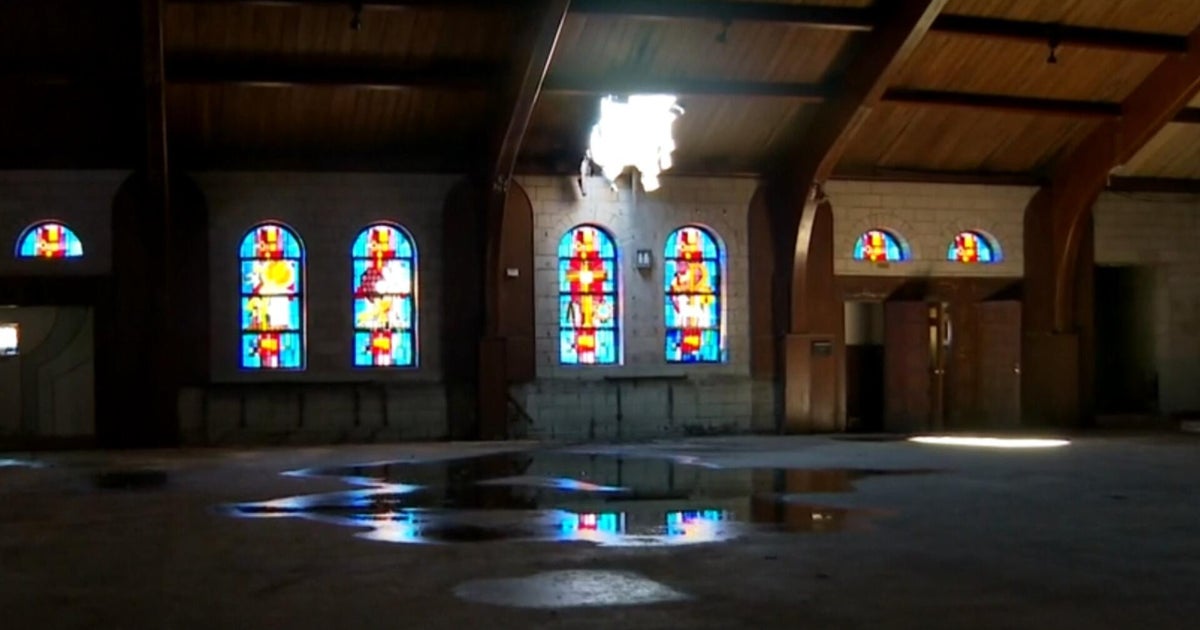
Can Pope’s childhood church in Chicago be saved from demolition?
Thousands of churches have closed in recent decades, but one on Chicago’s South Side is getting attention for its connection to the Pope. Tony Dokoupil has the story.
Thousands of churches have closed in recent decades, but one on Chicago’s South Side is getting attention for its connection to the Pope. Tony Dokoupil has the story.
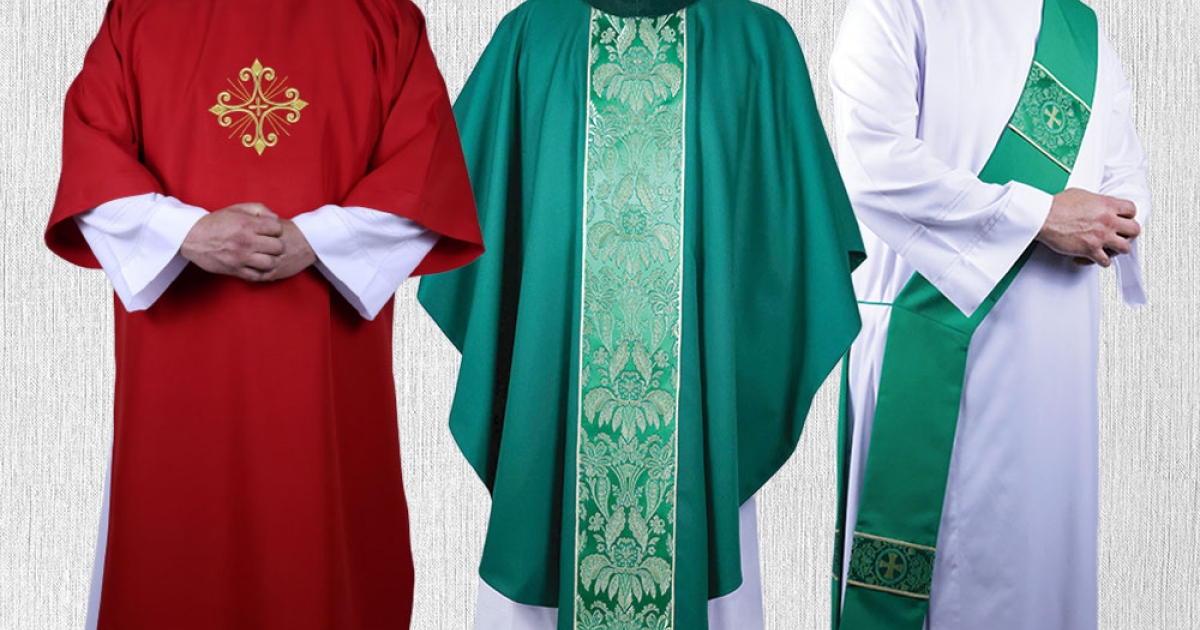
To someone in the pew, it may be just something that a priest or deacon wears during Mass in the colors of the liturgical season. To the priest, what is worn at Mass is a holy garment. Each layer is put on with intention and a prayer. It can reflect so much more than the liturgical season. It can reflect their culture, specific spirituality or charism. Most of us would not think that a priest is too concerned with something “beautiful” to wear for Mass. But, given the eagerness that priests have shown in response to custom vestments by Maria Diplan, thoughts about this are changing. Oratorian Father Johnni do Bonfim Silva, parochial vicar at St. Philip Neri Church in Fort Mill, said that vestments should always reflect the dignity of what is being celebrated.“Custom-made vestments, especially those made at home, are of utmost importance because they are made to my size, and I feel they are something special to wear at holy Mass. Whenever I put on my vestments, I remember the person who made them and pray for her. For liturgy, [it is] always the best,” he said. Having “the best” and appropriately sized vestments for liturgies isn’t necessarily the cheapest endeavor. According to Maria, fabrics can cost up to $300 a yard and only a few companies in the world still have the machinery needed to make certain fabrics in the colors that are specific to the liturgical season. She has personally searched and traveled for the right fabrics, trims and ribbons to be used, and her home studio currently contains material from New York, England, Germany and Italy. For the embroidery, Maria works with a company in Brazil that can customize logos and designs in size, color and shape to the specific needs of vestment. In the end, an extraordinary piece of artistic clothing, rich in symbols and colors made with prayer, love and a feeling of “unworthiness,” she said, are created in the service of something sacred. Maria’s story begins in the Dominican Republic. She was born into a family with 10 children, but her mother had complications following childbirth. Knowing that she might not be able to raise baby Maria, she asked her own sister Enoelia to adopt the baby. Enoelia accepted, and Maria’s mother passed shortly thereafter. Enoelia raised Maria in the Catholic faith and in a ministry of sewing vestments for parish priests. Maria began to learn the art of sewing, and at that time, each stitch of embroidery was done by hand. Lessons in the craft have been learned along the way and while sewing priests’ vestments might seem easy to some, it is much more involved in the customization of each piece of clothing. There’s no fashion design school to teach how to make clerical attire. Enoelia, now 87, has taught Maria much, but even with her childhood training, the seamstress has had to learn most of the skills along the way. She’s now a parishioner of St. Philip Neri, and she shared that priests have been open and honest in communicating what works and what doesn’t even down to types of snaps, pros and cons of Velcro, preferences in fit, fabrics used and more. Precision and attention to detail are of utmost importance to Maria, which is one reason why priests have begun to spread the word on their own about her custom-made vestments. Father Anthony Onoko is pastor at St. John the Baptist Church in Perryopolis, Pennsylvania. He heard about Maria’s work and asked her to create several vestments.“A custom piece carries intention,” Father Onoko said. “It is crafted prayerfully, thoughtfully and with a sense of purpose that readymade vestments simply cannot match. It becomes not just something to wear, but something that accompanies me in worship and a visible expression of sacred service to God. It reminds me of the dignity of the work I do and the responsibility I carry whenever I stand before God’s people.”With modern technology, embroidery is no longer done by hand but by computer software tailored to the machinery. While the Brazilian company has a huge library of designs, Maria continually works with designers in customizing logos, emblems, crosses and religious symbols. When making stoles for the Rock Hill Oratory, Maria sent the Brazilian company the Oratorian logo. They in turn made a digital file for the embroidery machine, and now the priests of the Oratory have stoles with their community logo. Fabrics, ribbon, trim and embroidery design all come from various parts of the world, alongside an individual priest’s ethnicity, culture and spirituality. This makes custom vestments very appealing, with each serving as a testament to the universality of the Catholic Church. Maria has named her company MD Ecclesiastics and hopes to have a website soon to expand the service across the diocese. For now, her motto is, “Whatever God wants.” She knows that for this service to grow, more people would need to be trained and hired. She’s more circumspect about her own service and ministry, however. Maria said she felt “unworthy,” because creating and sewing a garment worn by a priest when he celebrates holy Mass and acts in persona Christi is like clothing Christ himself. For deacons, a long scarf-life vestment worn symbolizing being a servant or messenger of the Church, worn over the left shoulder and fastened at the waistChasuble: poncho-like outer vestment worn by a bishop or priest during Mass or a ceremony; a deacon’s chasuble has stitched sleevesAlb: a white vestment worn by someone serving during Mass or a ceremony, tied with a cincture (cord) at the waistFOR THE ALTARCorporal: Square linen cloth on which the chalice and paten are placed during the MassPurificator: Small rectangular cloth used to cleanse the chalice and paten after CommunionPall: Stiffened square of linen used to cover the chalice Learn moreContact Maria Diplan for vestment inquiries at maria. diplan2@gmail. com.
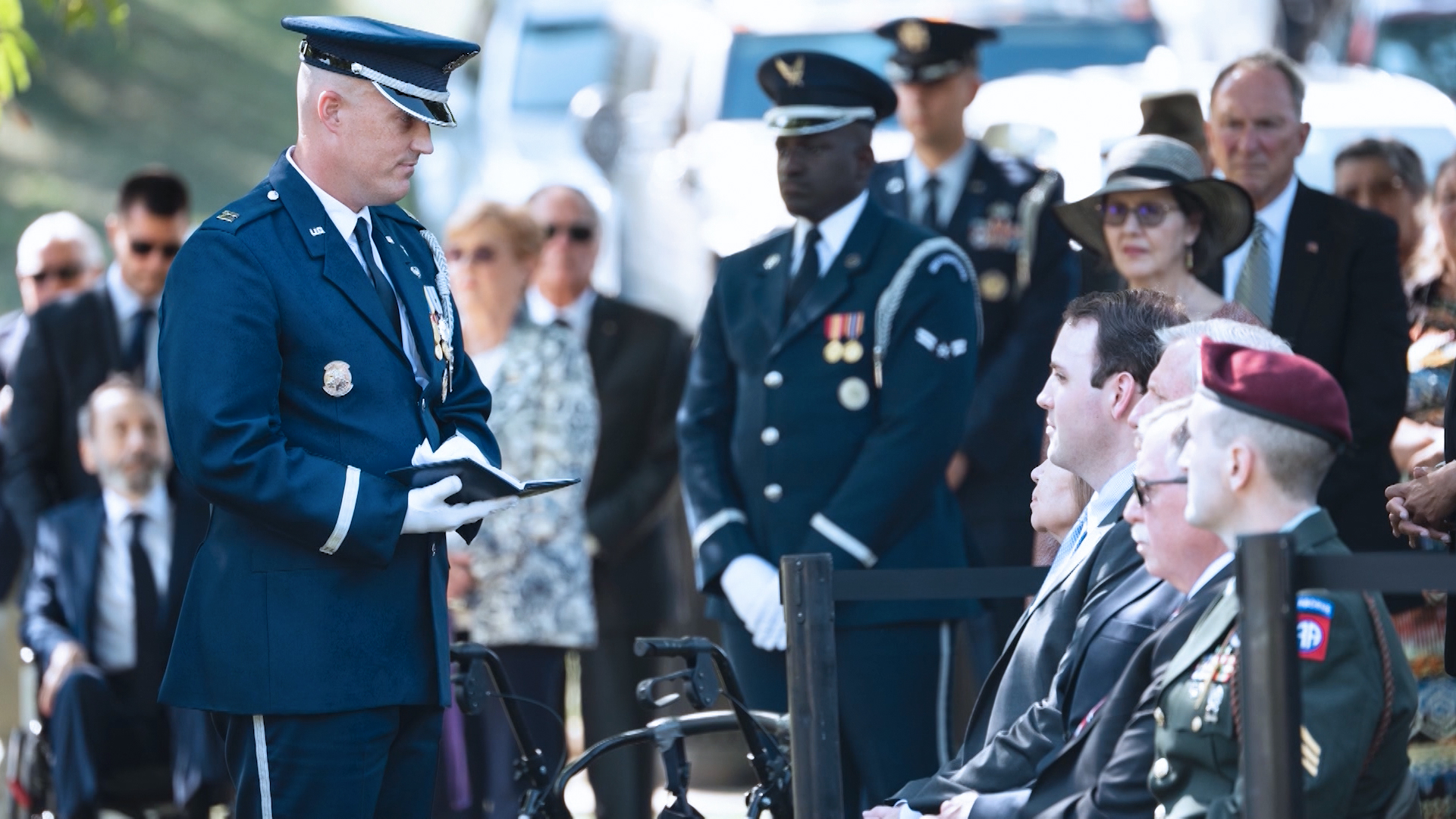
‘At the Foot of the Cross’: Arlington Chaplains Bear a Nation’s Gratitude and a Family’s Grief
Have a few laughs and get your soul ‘tarnished’ at the religion-themed Comedy Church
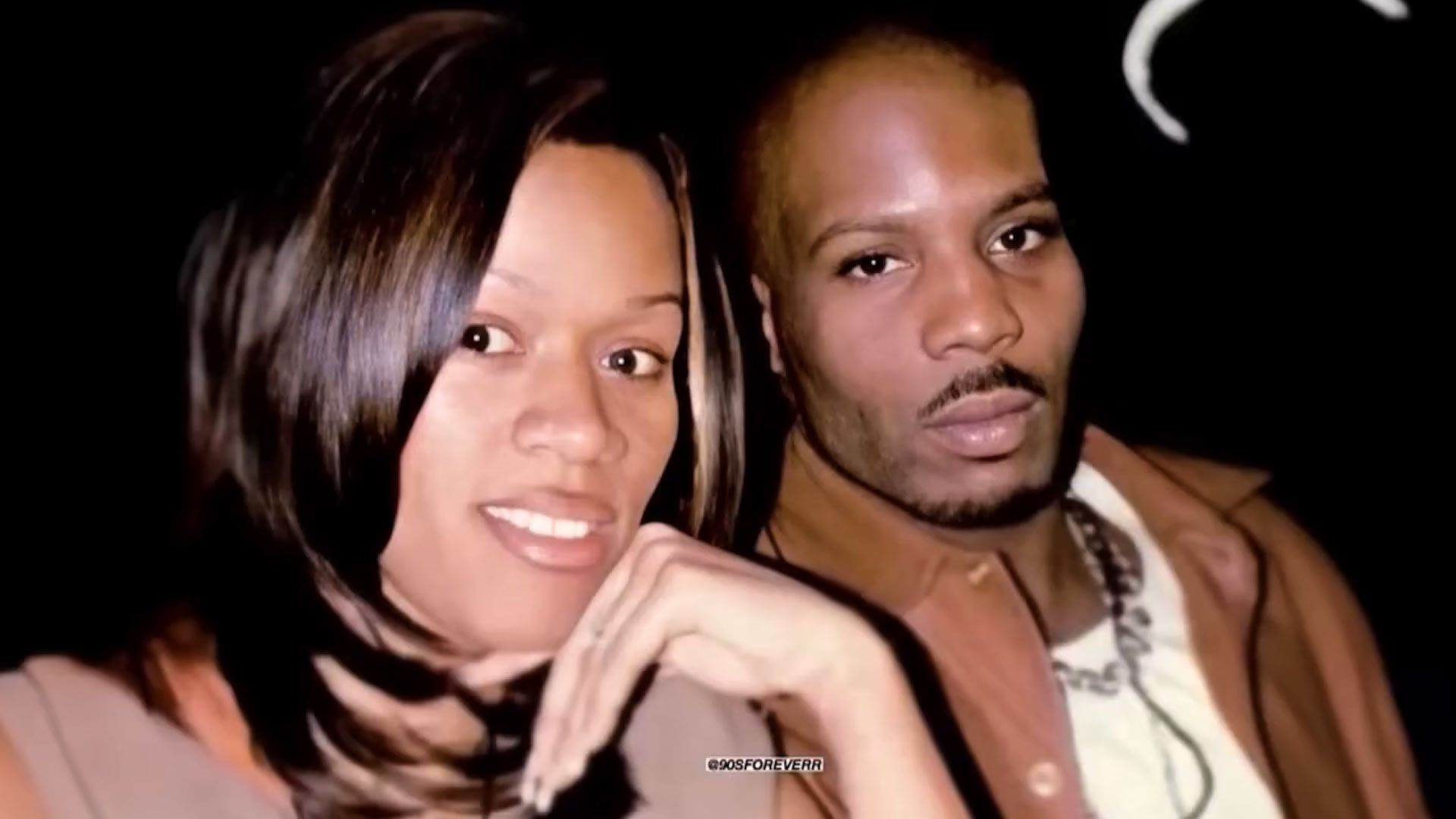
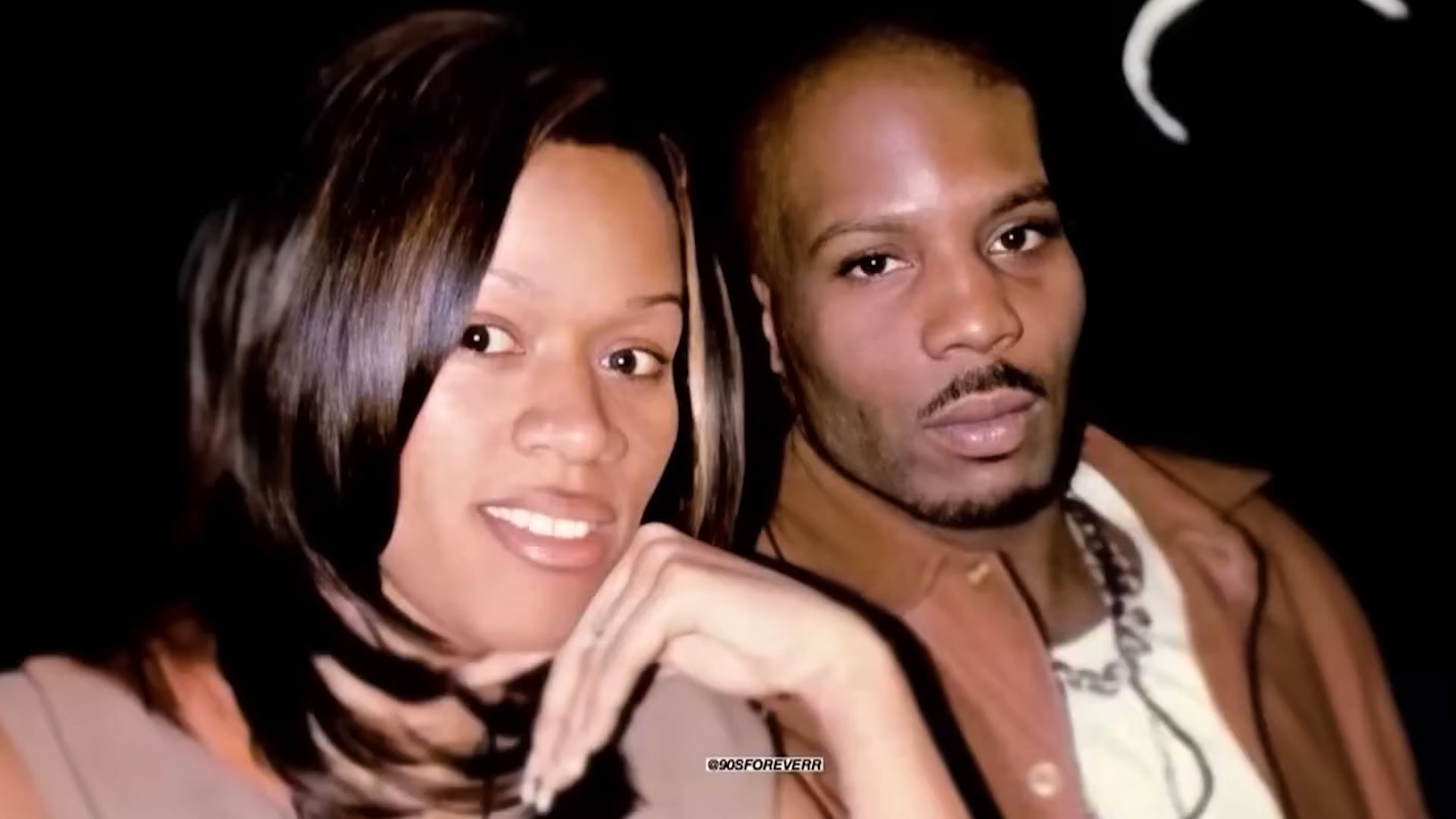
Tashera Draughn met Earl Simmons when she was just 11 years old. She dated him for 10 years before marrying the man who would later gain fame as rapper DMX. During a recent conversation with CBN, Tashera shared about her marriage to the hip hop legend and how her painful journey led her to Jesus.
‘Battling Between Good and Evil’: Ex-Wife of DMX on Marriage, Struggles, and the Day She Met Jesus
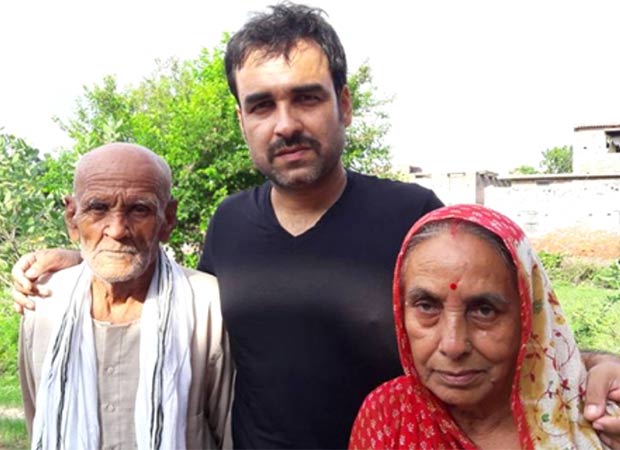
Actor Pankaj Tripathi’s mother, Smt. Hemwanti Devi, passed away at the family’s hometown in Belsand, Gopalganj, Bihar, on Friday. She was 89 years old and had been unwell for some time. According to an official statement issued on behalf of the Tripathi family, Smt. Hemwanti Devi “left for her heavenly abode peacefully in her sleep, surrounded by her loved ones.” The actor was by her side during her final moments. The cremation took place on Saturday in Belsand, attended by close family members, relatives, and friends. In the statement, the family expressed deep sorrow over the loss and requested privacy during this difficult time. “The Tripathi family is mourning this immense loss and humbly request everyone to keep Smt. Hemwanti Devi in their thoughts and prayers. The family also requests the media and well-wishers to respect their privacy during this period of grief and allow them time to mourn in peace,” it read. Smt. Hemwanti Devi’s passing marks a personal loss for Pankaj Tripathi, who has often spoken fondly of his roots and family in Bihar. The actor and his family are currently in Belsand for the last rites. Also Read: LEAKED footage shows Pankaj Tripathi and Ali Fazal back in action for Mirzapur: The Film shoot; Anjumm Shharma joins shoot in Banaras.
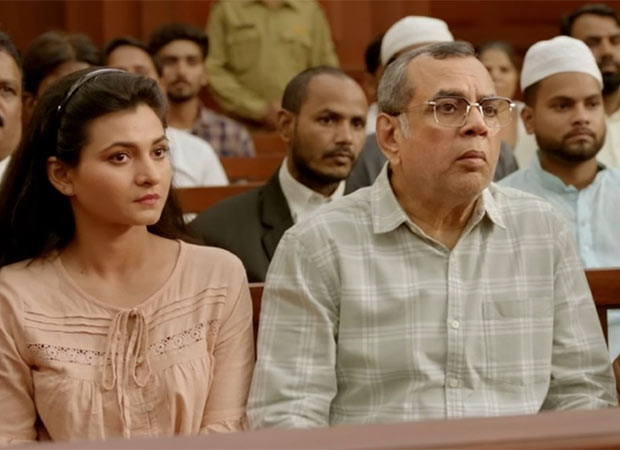
A public interest litigation (PIL) petition has been filed before the Delhi High Court seeking action against the soon-to-be-released film The Taj Story featuring actor Paresh Rawal. The film, scheduled for release on October 31, sparked heated debate following its poster, which depicts a statue of Lord Shiva emerging from the iconic Taj Mahal dome-a visual that reignites the contentious theory alleging the monument’s Hindu temple origins. Advocate Shakeel Abbas, the petitioner, alleges that The Taj Story presents “fabricated and provocative content” about the origins of the Taj Mahal, contradicting established historical consensus and scholarly writings. The petition claims the film’s speculative assertions threaten to erode public faith in history, provoke communal unrest, and potentially damage the international reputation of the Taj Mahal, which is recognized globally as a UNESCO World Heritage Site. The plea urges the Central Board of Film Certification (CBFC) to review the certification granted to the movie and instruct required cuts if necessary to safeguard communal harmony across the country. Furthermore, the PIL requests that a clear disclaimer be added to the film, clarifying that it presents a contested narrative rather than established fact. According to the petition, the movie contains “deeply divisive scenes” that may incite communal tensions and disrupt public peace. The plea also mentions the amplification of controversial statements by political leaders and fringe groups, raising alarms over the potential for nationwide unrest. Also Read: Paresh Rawal REACTS to The Taj Story being called “propaganda”: “It focuses solely on historical facts”.
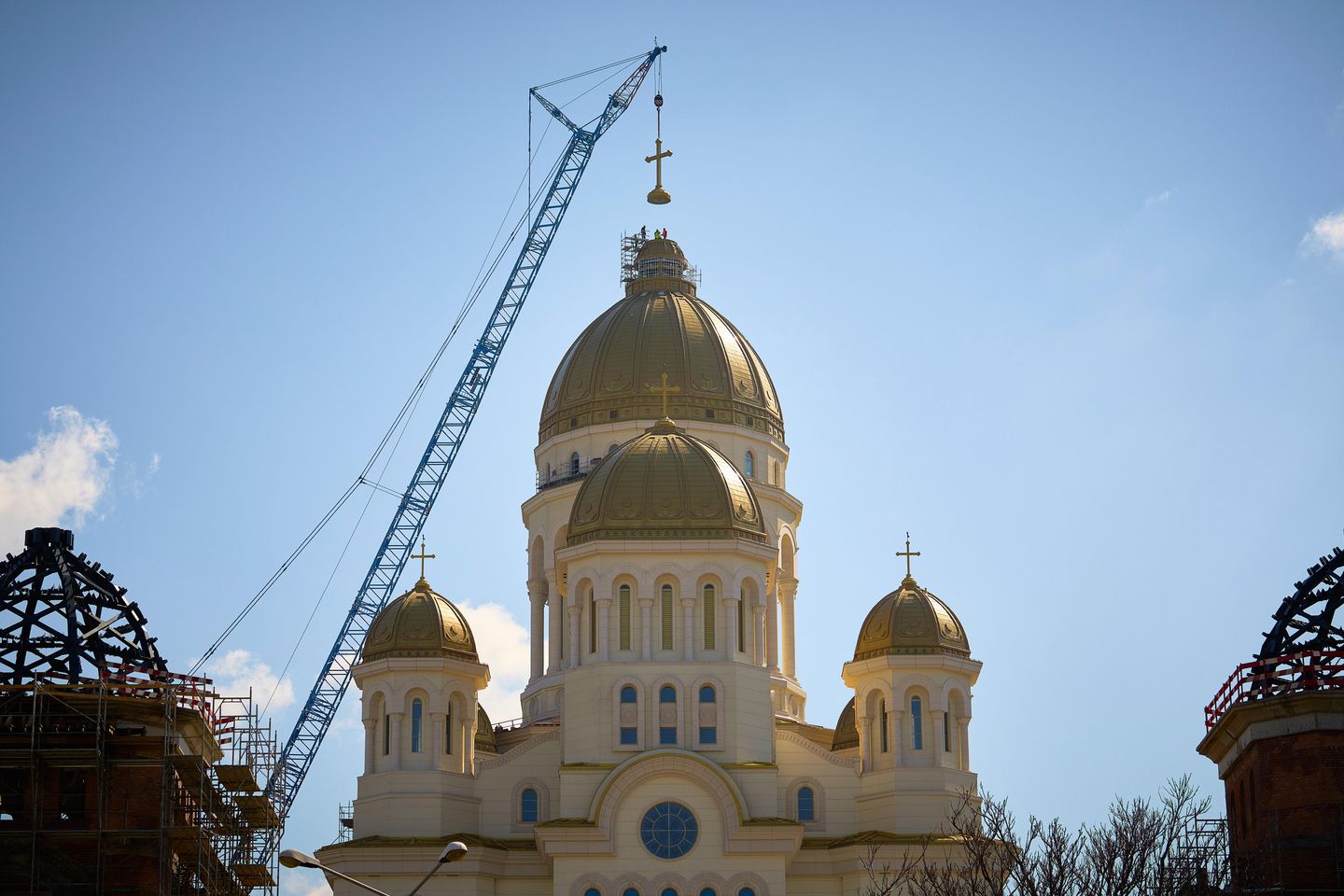
Thousands of pilgrims turned out Sunday in Romania’s capital for the consecration of religious paintings inside the world’s largest Christian Orthodox church that was being opened after 15 years of construction.
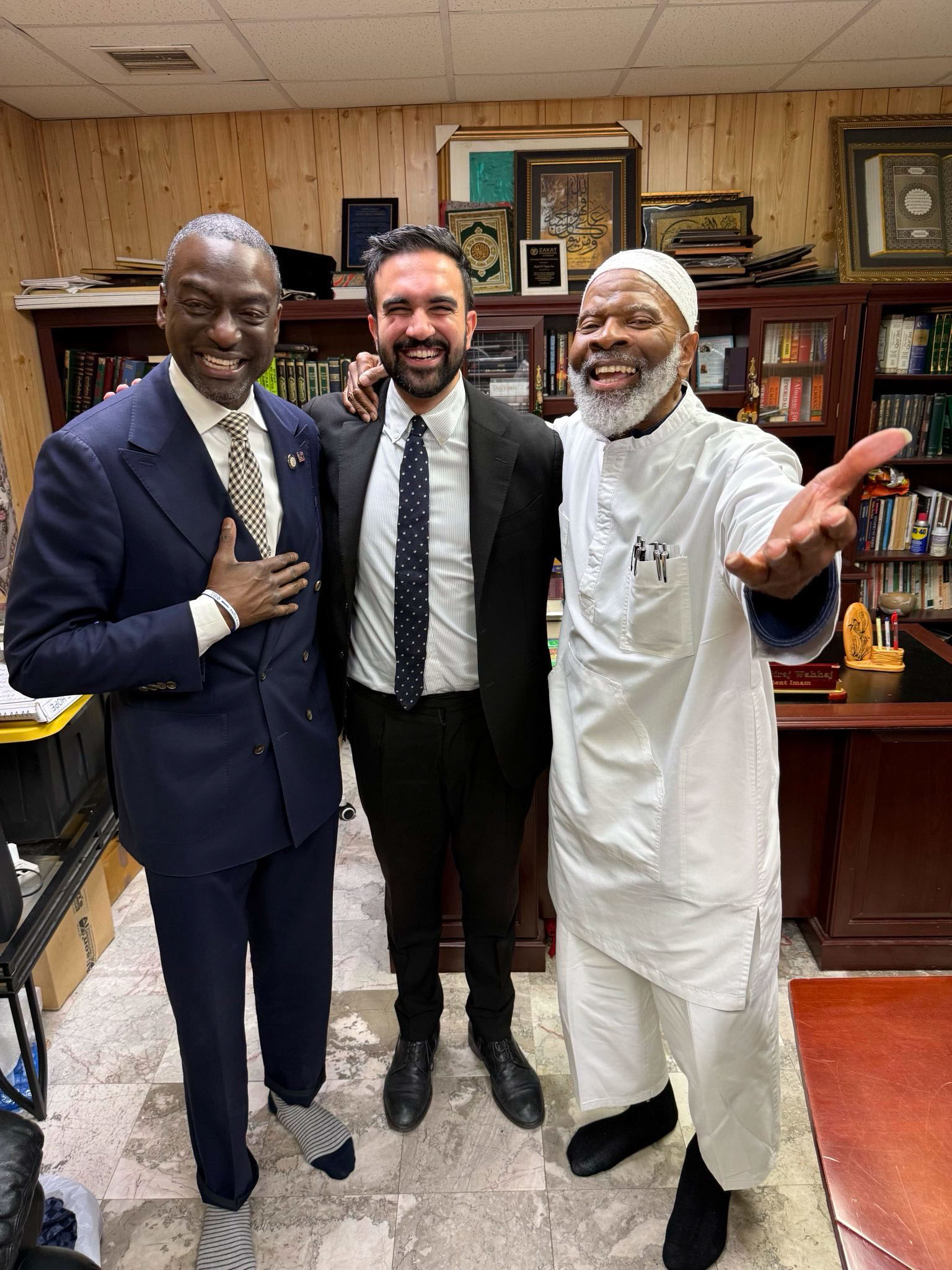
Zohran Mamdani, the leading candidate in next month’s mayoral election, has frequently dodged questions on whether he supports Hamas. Last week, during an interview with Fox News, he refused to say if the terrorist group should lay down their arms and relinquish their leadership of Gaza. He claimed not to have opinions “about the future.