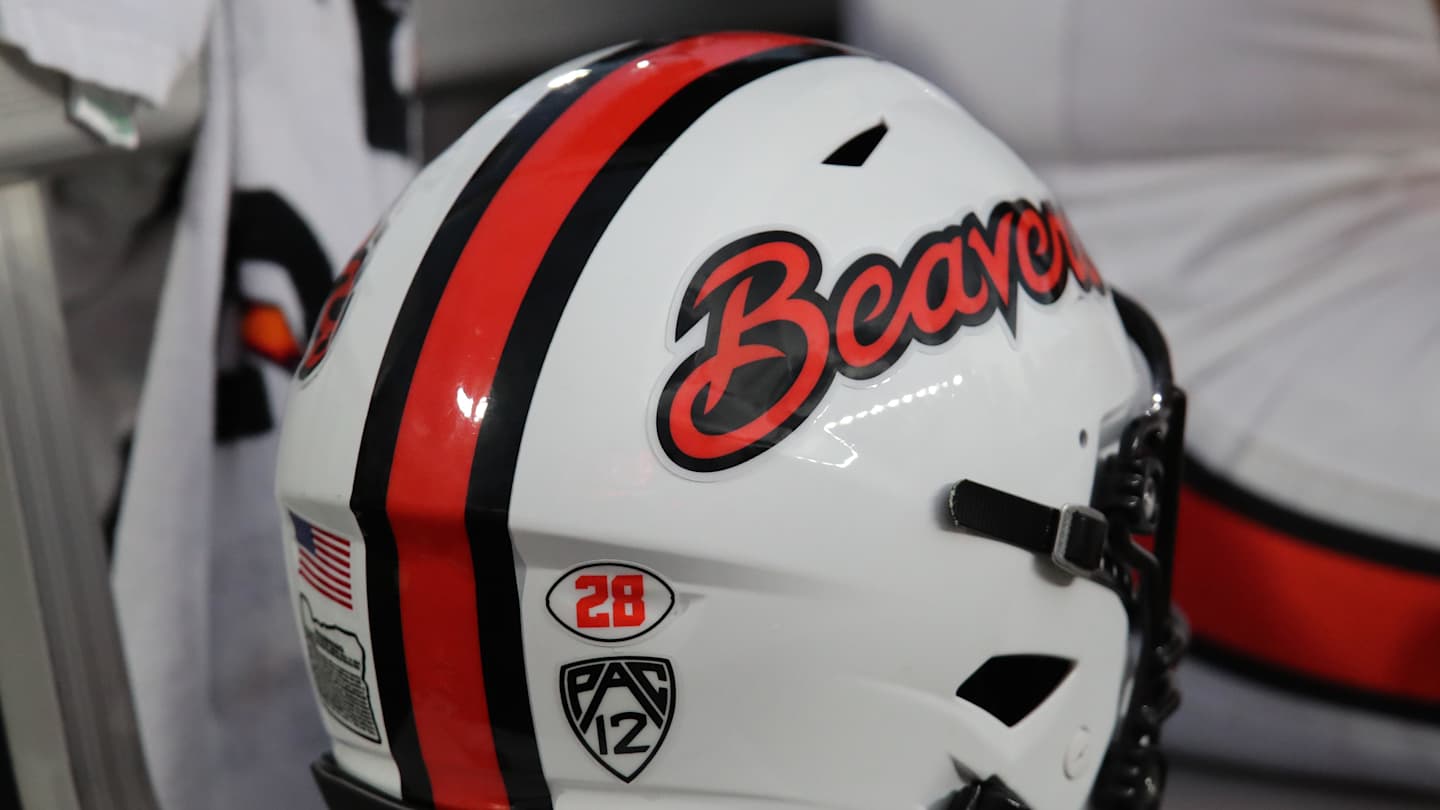
State of the Beavs: The Transfer Portal is Open For Oregon State Football
State of the Beavs: The Transfer Portal is Open For Oregon State Football
State of the Beavs: The Transfer Portal is Open For Oregon State Football
It turns out Saudi Arabia will own 93.4 percent of EA if the buyout goes through, which is effectively all of it
The skincare brand 82°E backed by Deepika Padukone has reported a sharp decline in revenue for FY25. According to the latest filings, revenue dropped to Rs. 14. 7 crore, down from Rs. 21. 2 crore in the previous year. On the bright side, the net loss has reduced significantly. While the company had posted a loss of Rs. 23. 4 crore in FY24, the shortfall narrowed to Rs. 12. 3 crore in FY25. Financial statements show that total expenditure in FY25 was Rs. 25. 9 crore a steep cut from Rs. 47. 1 crore a year earlier. Marketing spend, in particular, was drastically reduced to Rs. 4. 4 crore from nearly Rs. 20 crore in FY24. This suggests 82°E deliberately pulled back on customer-acquisition efforts after its previous heavy marketing push failed to translate into sustainable revenue. Despite having leveraged Deepika’s massive social-media presence with the actress sharing personal experiences while promoting products the brand could not avoid the downturn. 82°E positions itself as a “luxury” skincare brand, offering products priced between Rs 2, 500 and nearly Rs 4, 000 mid-premium range, but below the territory dominated by established luxury players such as Estée Lauder. In a fiercely competitive market where both emerging direct-to-consumer brands and longstanding luxury labels vie for customers 82°E now aims to cut costs further and ramp up sales efforts in a bid to return to profitability. The company has indicated as much in its latest filing. Also Read : Haq director Suparn Varma backs Deepika Padukone’s 8-hour workday demand: “It should not be news”.
The PlayStation VR2 Horizon: Call of the Mountain Bundle price at Gamestop has dropped significantly, thanks to the Black Friday 2025 sale.
315 kidnapped from Nigerian school, Trump escalates criticism: Here’s all we know
The selloff pushed Bitcoin’s price down over 35% from its October peak and coincided with broad weakness across risk assets, including a slump in major stock indices.
Jarrett Stidham and his wife, Kennedy, welcomed their third child, a daughter named Nella, on Oct. 6.
Takeaways from No. 9 Maryland women’s basketball’s 84-68 win over Princeton
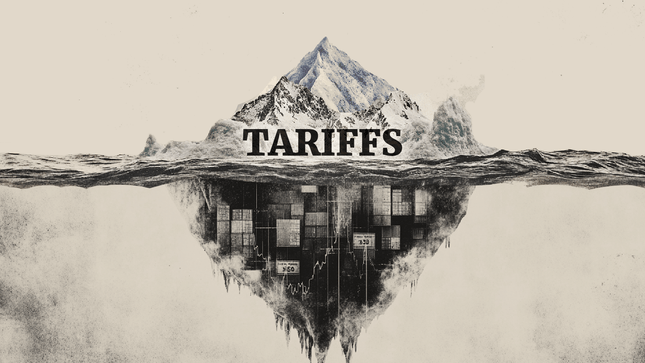
The post Tariffs, inflation, and loss of purchasing power Commerzbank appeared com. Regular readers of our Daily Currency Briefing will already be familiar with one of my favorited charts, which illustrates market-based inflation expectations. Over the summer, I often wondered when we would see a decline in short-term expectations, i. e. those in one year’s time. Even if expectations remained unchanged, this would, by definition, mean that market participants were shifting the inflation shock further into the future. This would raise questions about how transitory this tariff-induced inflation shock really is, Commerzbank’s FX analyst Michael Pfister notes. Inflation outlook eases as US data gaps cloud picture “The tariffs announced in July were, on average, 6 percentage points lower than the figures at the beginning of April. Many of the larger US trading partners were able to reach a deal that anchors tariffs in the range of 15-20%. While this still goes hand in hand with inflationary pressure, it is unlikely to be as significant as originally thought. The majority of the tariffs came into force at the beginning of August. Assuming the tariffs are passed on to US consumers in the near future, the inflation shock is likely to drop out of year-on-year calculations in August/September next year, which should artificially lower the inflation rate.” “However, the decline has accelerated since the beginning of October, with inflation expectations for the coming year falling by just under 0. 5 percentage points. Again, one could argue that this is due to the expected transitory nature of the shock, which will pass in the coming autumn. However, I suspect there is another reason. Since the beginning of October, the US government shutdown has severely restricted the publication of new data. Although an inflation report was published for September, almost 40% of the data in it was imputed, so it is significantly less reliable than usual. In the absence of.
Photo credits: zverge / BigStock The Novo Nordisk Foundation in Denmark, one of the world’s leading funders of pharmaceutical and biotechnology research, is investing €21. 7 million to support emerging and rising Danish researchers in bioscience and basic biomedicine through two new grant programmes.